
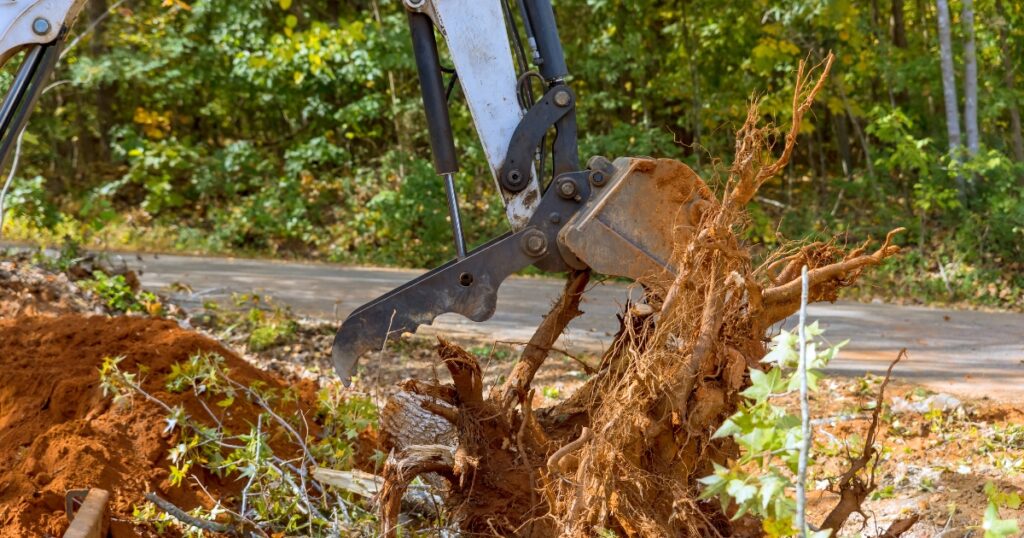
Engaging in DIY tree removal can be an enticing prospect for homeowners looking to save money or take on a hands-on project. However, the risks associated with this endeavor are significant and should not be underestimated. One of the primary challenges is the inherent danger involved in cutting down a tree, especially if it is large or situated near structures, power lines, or other hazards.
The potential for injury is high; according to the U.S. Bureau of Labor Statistics, tree care is one of the most dangerous professions, with a high incidence of accidents related to falls, equipment malfunctions, and improper handling of heavy materials. Moreover, the challenges extend beyond personal safety.
The process of tree removal can lead to unintended consequences, such as damage to surrounding vegetation or property. A tree that appears healthy may have hidden structural weaknesses, making it unpredictable when it comes to falling. Additionally, the environmental impact of removing a tree can be significant, affecting local wildlife habitats and altering the landscape.
Homeowners must weigh these risks carefully against their motivations for undertaking such a project. Check out the variety of services offered by Southern Oaks Land Management Services for all your land management needs.
Key Takeaways
- DIY tree removal comes with risks and challenges such as injury, property damage, and legal issues.
- Assess the size and condition of the tree to determine if it can be safely removed without professional help.
- Obtain the necessary permits and permissions from local authorities before starting any tree removal work.
- Understand the tools and equipment required for tree removal, including chainsaws, ropes, and safety gear.
- Follow safety precautions and techniques to minimize the risk of accidents during DIY tree removal.
- Be aware of the potential damage to property and surrounding landscape during tree removal, and take measures to prevent it.
- Dispose of tree debris and waste responsibly, following local regulations and guidelines.
- Consider the benefits of hiring a professional tree removal service, such as expertise, equipment, and insurance coverage.
- Understand the importance of hiring a professional tree removal company for complex or hazardous tree removal projects.
- Compare the cost of DIY tree removal with professional services, factoring in equipment, time, and potential risks.
- Follow tips for homeowner tree removal and maintenance, such as regular inspections, pruning, and hiring professionals for complex tasks.
Assessing the Size and Condition of the Tree
Before embarking on a tree removal project, it is crucial to assess both the size and condition of the tree in question. The height and diameter of the tree will dictate the complexity of the removal process. For instance, a small sapling may be easily uprooted with minimal tools, while a mature oak or pine could require specialized equipment and techniques.
Homeowners should measure the tree’s height using a simple method involving a stick or a measuring tape, and they should also evaluate its trunk diameter at breast height (DBH) to determine its size category. In addition to size, the condition of the tree plays a vital role in the decision-making process. Signs of decay, disease, or structural instability can indicate that a tree is more hazardous than it appears.
Homeowners should look for symptoms such as dead branches, fungal growth at the base, or hollow sections within the trunk. Consulting with an arborist can provide valuable insights into the health of the tree and whether removal is necessary or if alternative solutions, such as trimming or treatment, might be more appropriate.
Obtaining the Necessary Permits and Permissions
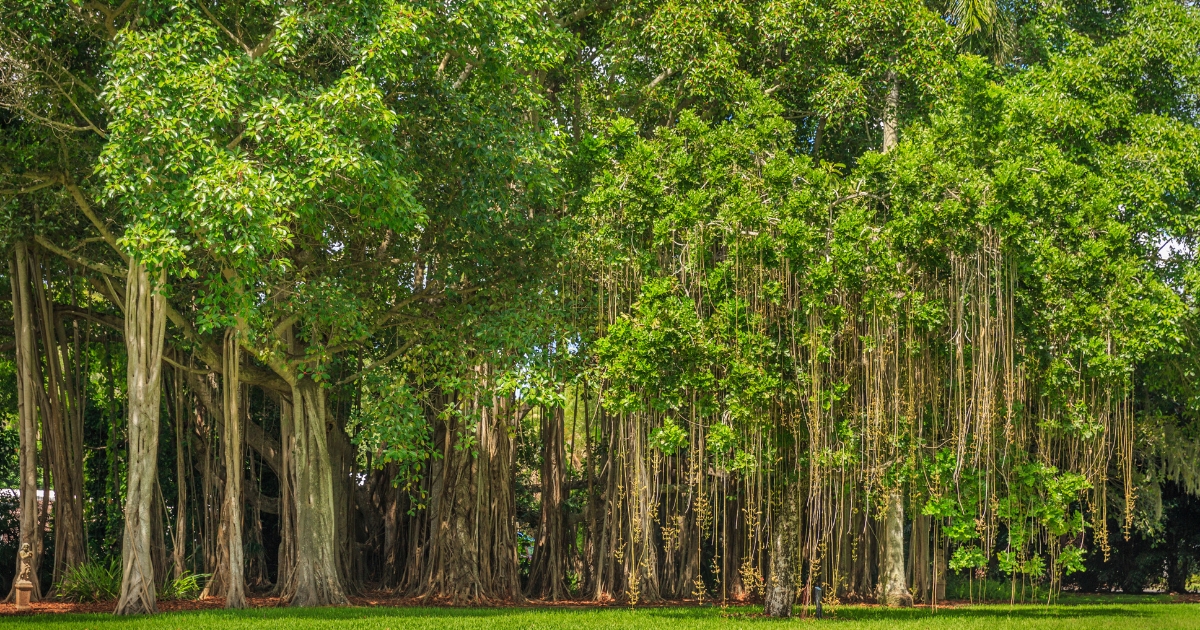
Before proceeding with tree removal, homeowners must navigate the often-complex landscape of local regulations regarding tree cutting. Many municipalities have specific ordinances that govern tree removal, particularly for larger trees or those located in protected areas. These regulations are designed to preserve local ecosystems and maintain community aesthetics.
Therefore, it is essential to check with local government offices or consult their websites to understand what permits may be required. In some cases, homeowners may need to provide evidence of the tree’s condition or justification for its removal as part of the permit application process. This could involve submitting photographs or reports from certified arborists.
Additionally, if the tree is located on property lines or within easements, obtaining permission from neighbors may also be necessary to avoid potential disputes. Failing to secure the appropriate permits can result in fines or mandated restoration efforts, making it crucial to address this step thoroughly.
Understanding the Tools and Equipment Required for Tree Removal
The tools and equipment needed for DIY tree removal vary significantly based on the size and condition of the tree being removed. For smaller trees or shrubs, basic hand tools such as pruning saws, loppers, and axes may suffice. However, larger trees typically require more advanced equipment like chainsaws, ropes, and safety gear.
A chainsaw is often essential for cutting through thick trunks and branches efficiently; however, it requires proper training and safety precautions to operate effectively. In addition to cutting tools, safety equipment is paramount when undertaking tree removal. This includes hard hats to protect against falling debris, eye protection to shield against flying wood chips, gloves for grip and protection from sharp edges, and steel-toed boots for foot protection.
Depending on the height of the tree and its proximity to structures or power lines, harnesses and climbing gear may also be necessary for safe maneuvering during the removal process. Understanding how to use each tool correctly is critical; improper use can lead to accidents or ineffective removal.
Safety Precautions and Techniques for DIY Tree Removal
Safety should always be the foremost concern when engaging in DIY tree removal. One of the most critical precautions is to assess the area around the tree before beginning work. This includes identifying potential hazards such as nearby structures, power lines, and other trees that could interfere with the falling tree’s trajectory.
Establishing a clear escape route is essential; homeowners should plan where they will move once the tree begins to fall. When cutting down a tree, employing proper techniques is vital for ensuring safety. The “notch cut” method is commonly used for felling trees; this involves making a wedge-shaped cut on the side of the tree facing the desired direction of fall.
Following this notch cut, a back cut is made on the opposite side of the tree slightly above the bottom of the notch cut. This technique allows for controlled falling while minimizing risks associated with unexpected shifts in weight or direction. Additionally, maintaining a safe distance from the tree while cutting and using a spotter can help monitor any changes in stability during the process.
Potential Damage to Property and Surrounding Landscape

One of the most significant concerns when removing a tree is the potential damage it can cause to property and surrounding landscapes. Trees that are too close to homes or other structures pose a risk of falling debris during removal, which can lead to costly repairs or even injury. Homeowners must carefully consider not only where they want the tree to fall but also how they will manage any branches or sections that may break off during cutting.
Furthermore, removing a large tree can have lasting effects on the surrounding landscape. The sudden absence of a mature tree can alter sunlight patterns and soil moisture levels in nearby plants and gardens. This change can lead to stress on other vegetation that relied on the shade or root structure of the removed tree for stability.
Homeowners should consider these ecological impacts when planning their project and may want to explore options for replanting or landscaping adjustments post-removal.
Disposal of Tree Debris and Waste
Once a tree has been successfully removed, homeowners face another challenge: disposing of the debris and waste generated by the process. Depending on local regulations and personal preferences, there are several options available for managing this waste. Some homeowners choose to chip branches into mulch for use in their gardens or landscaping projects; this not only recycles materials but also provides beneficial organic matter back into the soil.
Alternatively, homeowners may opt to cut larger sections of wood into firewood-sized pieces for personal use or sale. However, this requires additional labor and storage considerations. Many municipalities offer yard waste collection services that include curbside pickup for branches and logs; homeowners should check local guidelines regarding size limits and collection schedules.
In some cases, hiring a professional service for debris removal may be more efficient than attempting to manage it independently.
Considerations for Tree Removal Services
While DIY tree removal can seem appealing, there are numerous considerations that may lead homeowners to hire professional services instead. One significant factor is expertise; professional arborists possess specialized knowledge about trees’ biology and structural integrity that can inform safe removal practices. They are trained to assess risks accurately and employ techniques that minimize damage to surrounding areas.
Additionally, professional services often come equipped with advanced tools and machinery that make removal faster and safer than what most homeowners have access to. This includes bucket trucks for reaching high branches safely and heavy-duty chippers for efficient debris disposal. Furthermore, many companies carry insurance that protects against liability in case of accidents during removal—an important consideration that provides peace of mind for homeowners who might otherwise be concerned about potential injuries or property damage.
The Importance of Hiring a Professional Tree Removal Company
Hiring a professional tree removal company offers numerous advantages that extend beyond mere convenience. One key benefit is safety; professionals are trained in best practices for handling hazardous situations associated with tree removal. They understand how to evaluate trees for signs of instability or disease and can implement strategies that mitigate risks effectively.
Moreover, professional companies often provide comprehensive services that include not just removal but also stump grinding and site cleanup. This means homeowners do not have to worry about residual debris left behind after removal—an often-overlooked aspect of DIY projects that can lead to additional work later on. By entrusting this task to experts who specialize in arboriculture, homeowners can ensure that their property remains safe and aesthetically pleasing without incurring unnecessary risks.
When considering whether to undertake DIY tree removal or hire professionals, cost is often a significant factor influencing decision-making. On one hand, DIY projects may appear more economical at first glance; homeowners save on labor costs by doing it themselves. However, this perspective can be misleading when factoring in potential expenses related to equipment rental, safety gear purchases, permits, and possible damages incurred during an accident.
Conversely, while hiring professionals may involve higher upfront costs—often ranging from several hundred to several thousand dollars depending on factors like tree size and location—this investment can yield long-term savings by preventing accidents or property damage that could arise from improper handling during DIY attempts. Additionally, professional services often come with warranties or guarantees that provide further financial protection against unforeseen issues post-removal.
Tips for Homeowner Tree Removal and Maintenance
For homeowners who decide to proceed with tree removal themselves despite inherent risks, several tips can enhance safety and efficiency throughout the process. First and foremost, thorough planning is essential; this includes assessing not only the target tree but also surrounding structures and vegetation that could be affected by its removal. Additionally, maintaining clear communication with any helpers involved in the project is crucial; everyone should understand their roles and responsibilities during each phase of removal.
Establishing designated safe zones away from potential falling debris ensures that all participants remain out of harm’s way throughout the operation. Regular maintenance practices following tree removal are equally important; homeowners should monitor their landscape for signs of stress among remaining plants due to changes in sunlight exposure or soil conditions resulting from the absence of a large tree. Implementing proper watering schedules and considering replanting options can help restore balance within the ecosystem while enhancing overall property aesthetics over time.
By understanding these various aspects related to DIY tree removal—from assessing risks and obtaining permits to considering professional services—homeowners can make informed decisions that prioritize safety while achieving their landscaping goals effectively.
FAQs
What tools do I need to remove a tree myself?
To remove a tree yourself, you will need a chainsaw, safety gear including gloves, goggles, and a hard hat, as well as ropes and harnesses for safety and control.
Are there any legal restrictions on removing a tree myself?
It is important to check with your local government or council to see if there are any regulations or permits required for tree removal on your property. Some areas have specific rules and regulations regarding tree removal.
What are the risks of removing a tree myself?
Removing a tree yourself can be dangerous and should only be attempted by those with the necessary experience and knowledge. Risks include injury from falling branches, the tree itself, or the equipment used in the removal process.
When is it best to hire a professional to remove a tree?
It is best to hire a professional to remove a tree if the tree is large, close to buildings or power lines, or if you are unsure of the proper techniques for safe removal. Professionals have the necessary equipment and expertise to safely and efficiently remove trees.